- The Sleuth
- Posts
- Mastercard’s $2bn Stablecoin Expansion, Scaling Robinhood's Venture Fund & More
Mastercard’s $2bn Stablecoin Expansion, Scaling Robinhood's Venture Fund & More
Also: How Solana fuels Europe’s next billion dollar startup.

Welcome back!
This is J264G and this week I’ve got these titbits for you:
Digital Commodity: The SEC classifies SOL as a digital commodity.
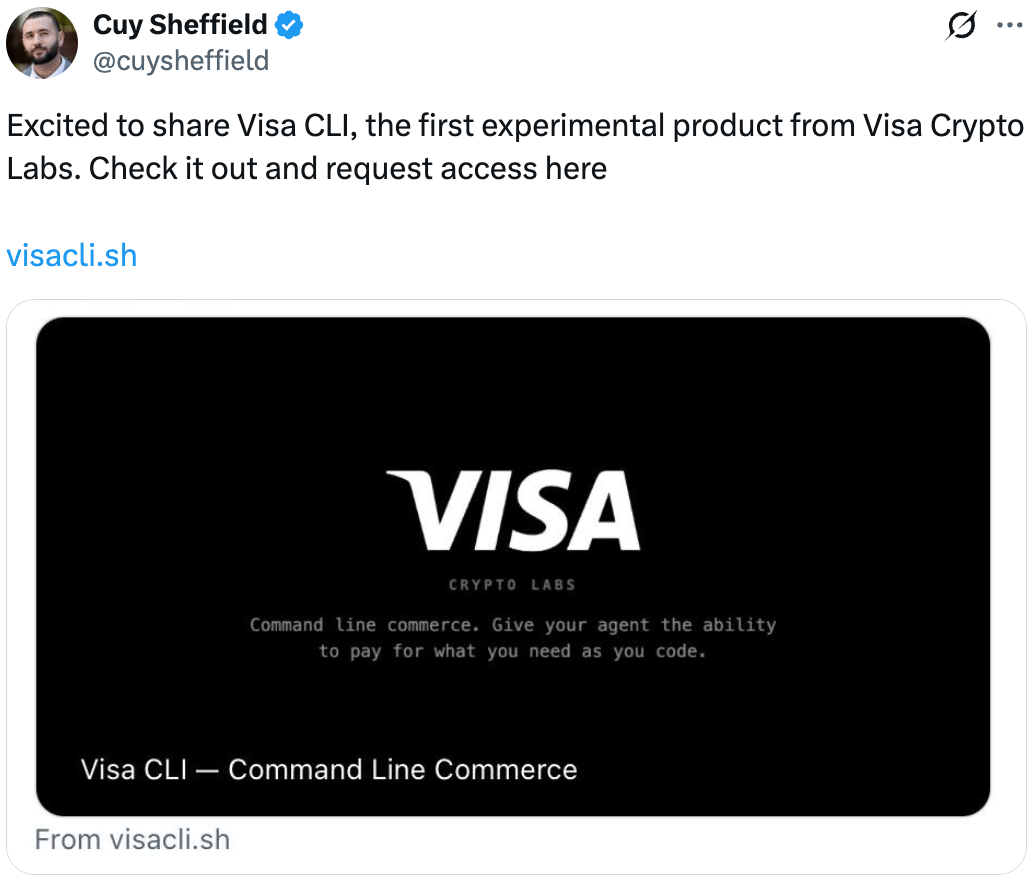
Record Acquisition: Mastercard to acquire BVNK for up to $1.8bn.
European Decacorn: Fuse Energy may be Europe’s newest decacorn.
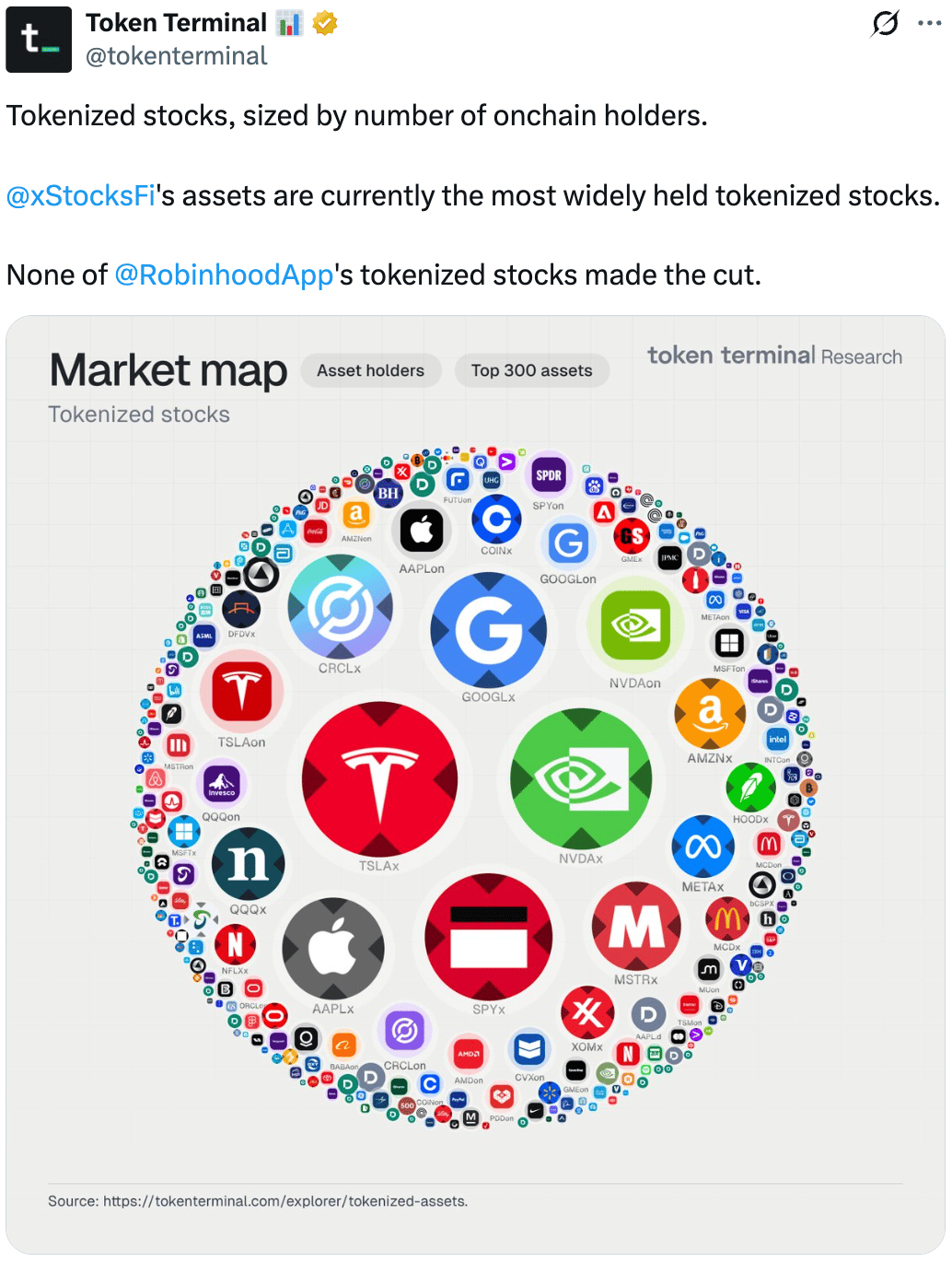
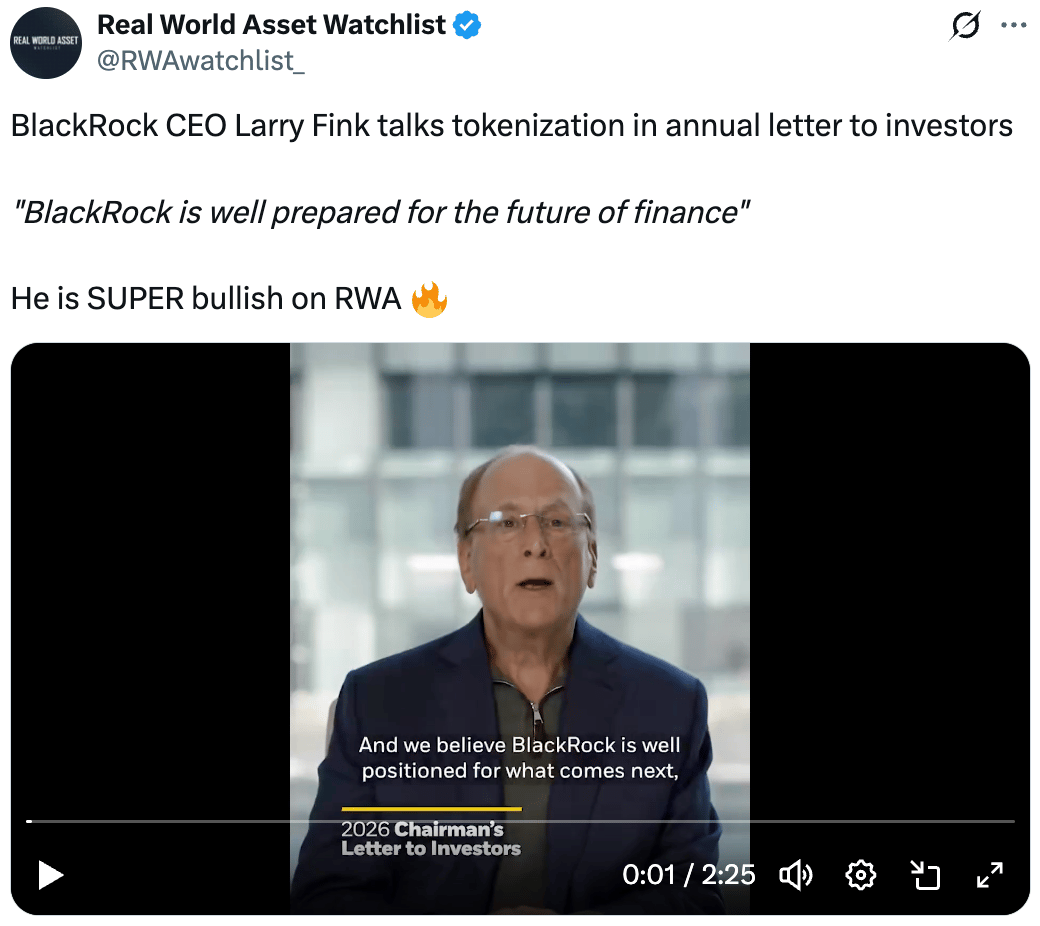
Stablecoins lit the fuse and proved tokenisation actually works at scale. Now tokenisation is gearing up to dominate finance in 2026 as momentum builds across markets.
Now, let’s jump right into this week’s newsletter!
Click on any underlined heading/hyperlink to learn more.
Spotlight
Prime Access
In the past, public markets were engines of wealth creation for ordinary investors.
That world is long gone.
Today, the most exciting companies do not go public early; they stay private for a decade or more, funded by venture capital, private equity, and sovereign money. And by the time they finally IPO, they are already enormous, picked over, and priced for perfection. The hypergrowth phase, the part where fortunes are actually made, happens behind closed doors.
Consequently, IPOs are no longer really about raising capital for growth. They are exit ramps. Liquidity events. A polite way of saying early investors and insiders would like to cash out now, and the public can buy the leftovers.
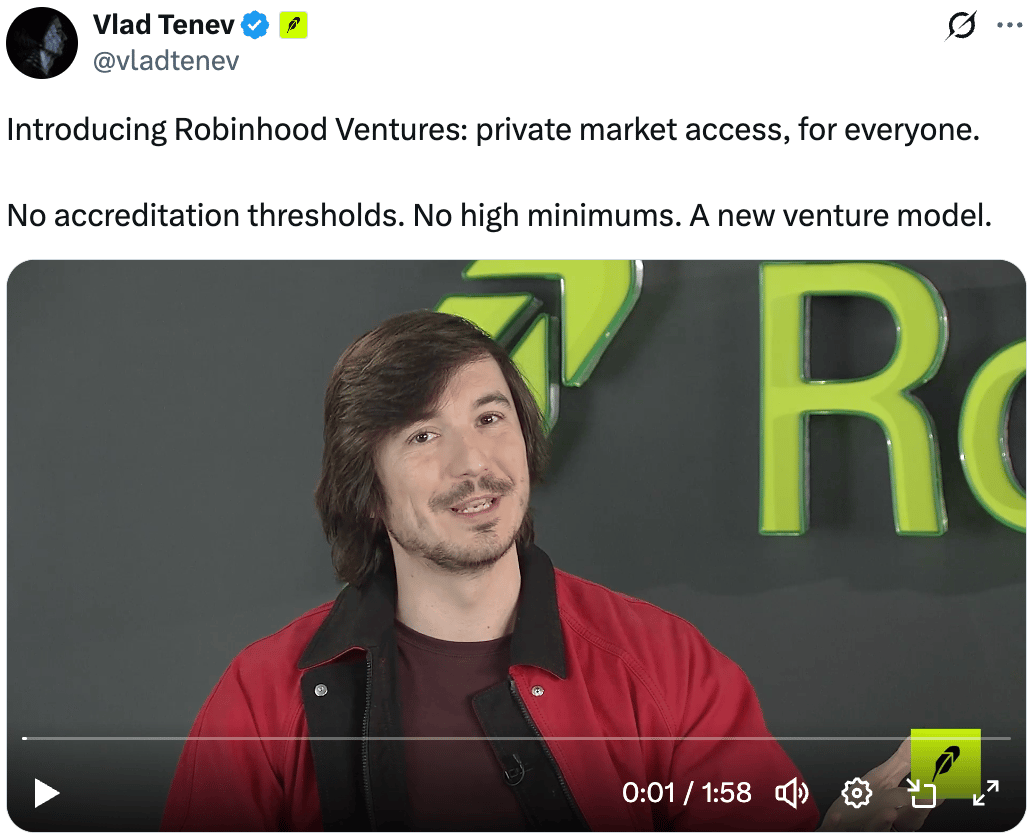
There have been attempts to democratise access. Robinhood, for example, launched a publicly traded venture fund promising retail investors exposure to private companies. It sounds great in a pitch deck. In reality, by the time retail gets access, most of the 10x or 50x returns are already gone. Retail investors are not guests at the party; they are part of the cleanup crew.
All in all, private markets remain a gated community.
To change that, two things need to happen at once: reform investor laws to lower the barrier for retail investors, and introduce tokenisation for private markets.
Tokenisation does not just open the gate; it changes the architecture of the market itself:
Fractional ownership: Yes, fractional shares already exist, but tokenisation takes it further. Private equity can be split into microscopic pieces and traded globally. That means someone with a few hundred dollars can own a slice of a pre-IPO company, not just the wealthy and well connected.
Smart contract compliance: Tokenisation does not bypass securities laws; it can embed them directly into the asset. Rules about who can buy, when they can sell, and how long they must hold can be written into code. Compliance becomes automatic, not a slow legal process.
Liquidity: Tokenisation blows the dust off private shares and lets them trade freely, peer to peer. Rather than making retail investors more vulnerable, this flexibility can actually protect them. If life happens and investors need funds, they are not stuck begging for a special redemption.
24/7 trading: A tokenised market can run 24/7 like the internet itself, welcoming participants from anywhere, anytime. Price discovery can happen continuously, and news or developments can be reflected in token markets in real time rather than waiting for Monday morning. This around the clock openness underscores a larger point: tokenisation is not just about U.S. investors, it is about the borderless investor class.
Self custody: Tokenisation enables self custody, meaning an investor can hold their tokenised shares in their own digital wallet, secured by cryptography. Investors can actually own their shares directly, not through layers of brokers and custodians. Real ownership, not beneficial ownership buried in paperwork.
Done right, tokenisation shifts power from gatekeepers to participants. From institutions to individuals. From closed networks to open ones. It will not fix everything, of course, but it can help to break a longstanding barrier: the monopoly on early access to private markets, allowing retail investors to enter through the front door rather than the service entrance.
In that context, Robinhood’s venture fund is a solid opening move, but the real game begins when efforts like these shift into full throttle—supercharged by tokenisation.
Chart Of The Week
News Bites
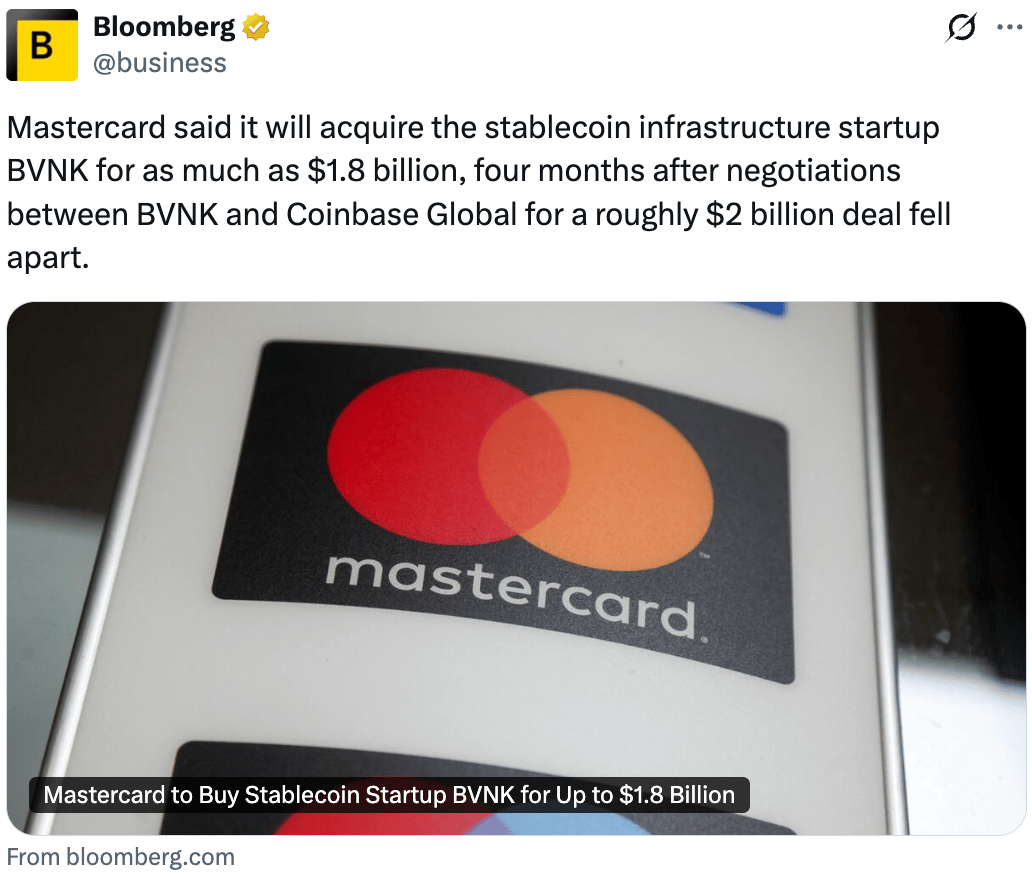
Record Acquisition: Mastercard disclosed it will acquire stablecoin startup BVNK for up to $1.8bn, marking one of the largest acquisitions in the crypto sector. The deal provides Mastercard with BVNK’s technology, regulatory licences, and payments connectivity built over seven years, as well as its specialised team.
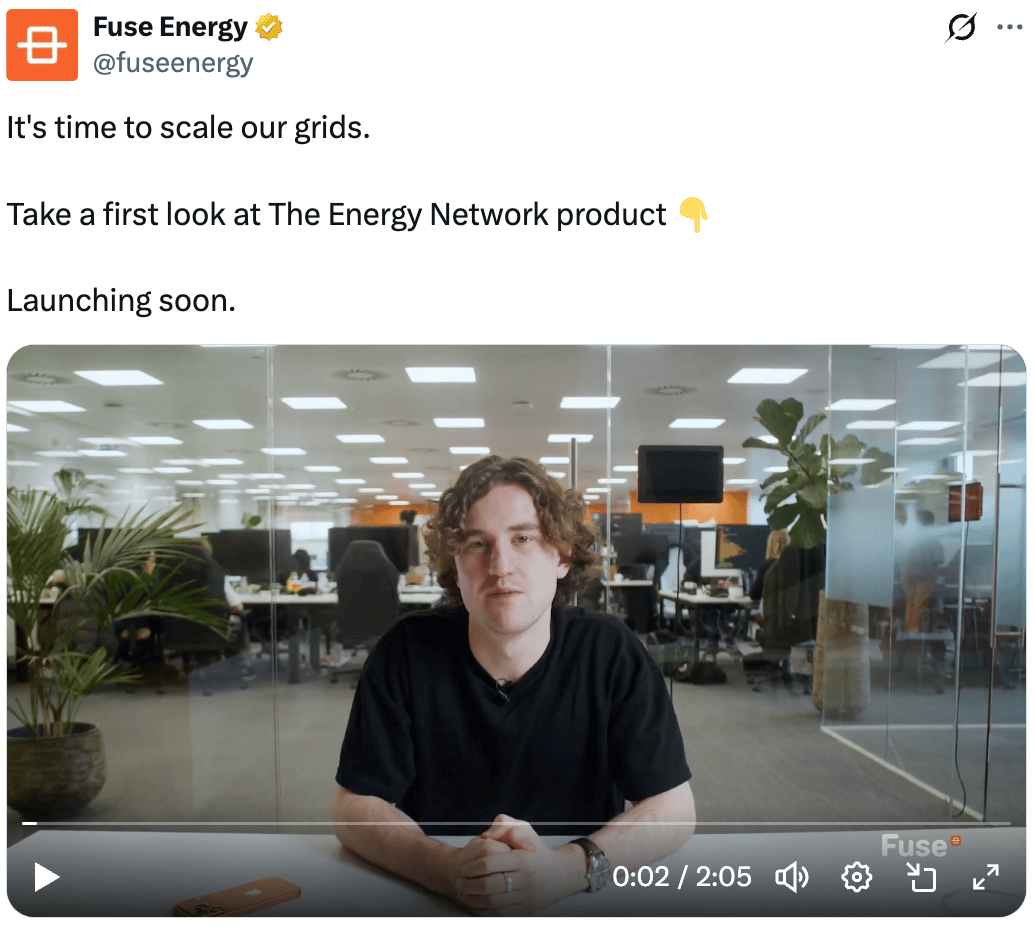
European Decacorn: As of 2025, Fuse Energy has surpassed $400m in ARR and may be on its way to becoming Europe’s newest decacorn—all while reaching cash-flow positivity. The business, founded by former Revolut executives, serves more than 200,000 UK households with energy and aligns platform incentives leveraging Solana.
Tokenisation Surge: The Securities and Exchange Commission just approved a Nasdaq rule change. The framework allows eligible securities, including stocks in the Russell 1000 Index and major exchange-traded funds, to be issued and settled as blockchain-based tokens. Consequently, Nasdaq has announced its partnership with Talos to advance the initiative—here’s the deep dive.
Digital Commodity: The Securities and Exchange Commission also issued guidance clarifying the application of federal securities laws to crypto assets. Under the interpretation, the native token of the Solana network, SOL, has been classified as a digital commodity alongside Bitcoin and similar assets.
Continuous Markets: S&P Dow Jones Indices and trade[XYZ] announced the launch of an S&P 500 perpetual contract on Hyperliquid. The product provides continuous, 24-hour access to the index using official benchmark data. You can trade S&P 500 perpetual futures directly on Phantom here.
Crypto Superapp: Phantom received no-action relief from the CFTC, allowing it to connect users to regulated derivatives and event contract markets without registering as an introducing broker. The development expands Phantom’s role in providing integrated access to multiple financial services within a single interface.
Caught In 4K
Weekly Take
Keks & Giggles
And that's a wrap!
You can reach me anytime over on 𝕏 or drop me a line.
Talk soon!
DISCLAIMER
None of this is financial advice. This newsletter is strictly educational and is not investment advice or a solicitation to buy or sell any assets or to make any financial decisions. Please be careful and do your own research. Lastly, please be advised that we discuss products and services from our partners from which our team members may hold tokens/equity.